Description
Many critics have noticed the paradoxes and contradictions in the work of William Carlos Williams, but few have analysed them in detail. Professor Ahearn argues that Williams criticism has not gone far enough in recognizing the uses Williams saw for contradiction. He contends that Williams began to acquire his own voice as a poet when he recognized that he could be a vehicle for contending voices. His reading departs from previous examinations of the early poetry in the emphasis it places on the poems as expressions of Williams's personal struggles with himself, his parents, his domestic role and his social position. We find a Williams whose contribution to modernism came not through a radical break with tradition or a rejection of inherited poetic norms alone, but rather in a cultivation of tension, conflict, and a kind of poetic 'crisis' that could be held forth as the metier of the modernist writer. The reconciliation of things as old as civilization itself with the newest form of poetry, Ahearn argues is the principal theme of Williams early poetic practice.
Popular searches
Quick links
Trending now
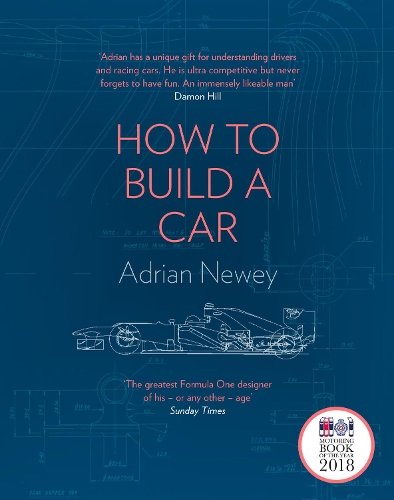
How to Build a Car: The Autobiography of the World’s Greatest Formula 1 Designer
Newey, Adrian

The Science of Animals: Inside their Secret World
DK || Chris Packham
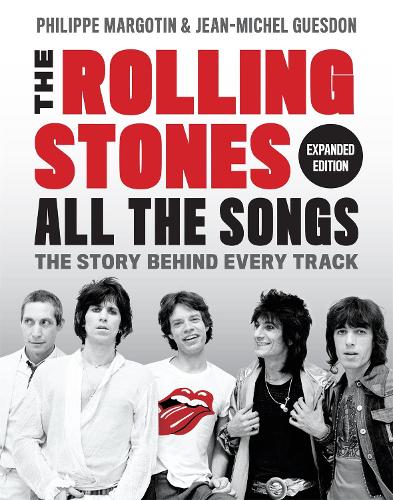
The Rolling Stones All the Songs Expanded Edition: The Story Behind Every Track
Jean-Michel Guesdon || Philippe Margotin

Ride: Cycle the World
DK Travel
Recommended

M. Garand
€ 20,70
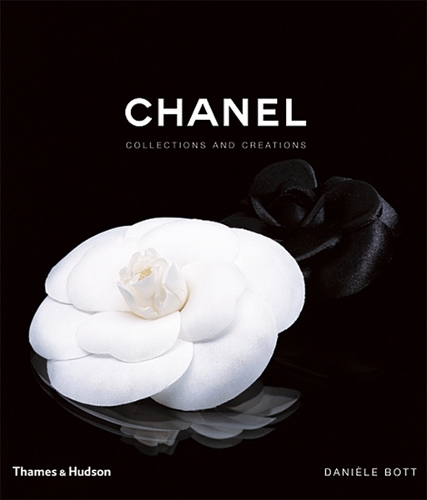
Danièle Bott
€ 32,40

Hachisu, Nancy Singleton
€ 40,50
Jean-Michel Guesdon || Philippe Margotin
€ 40,50
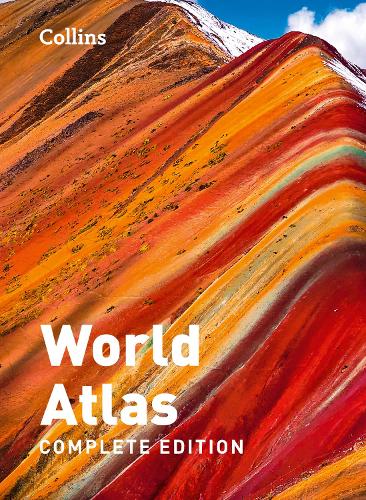
Collins Maps
€ 34,20
DK Travel
€ 20,70

DK || Chris Packham
€ 28,80
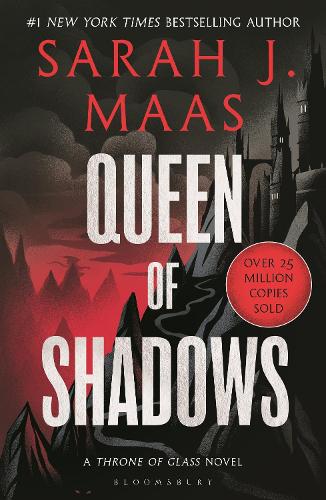
Sarah J. Maas
€ 18,00
Newey, Adrian
€ 32,88
DK || Chris Packham
€ 33,93
Series & related
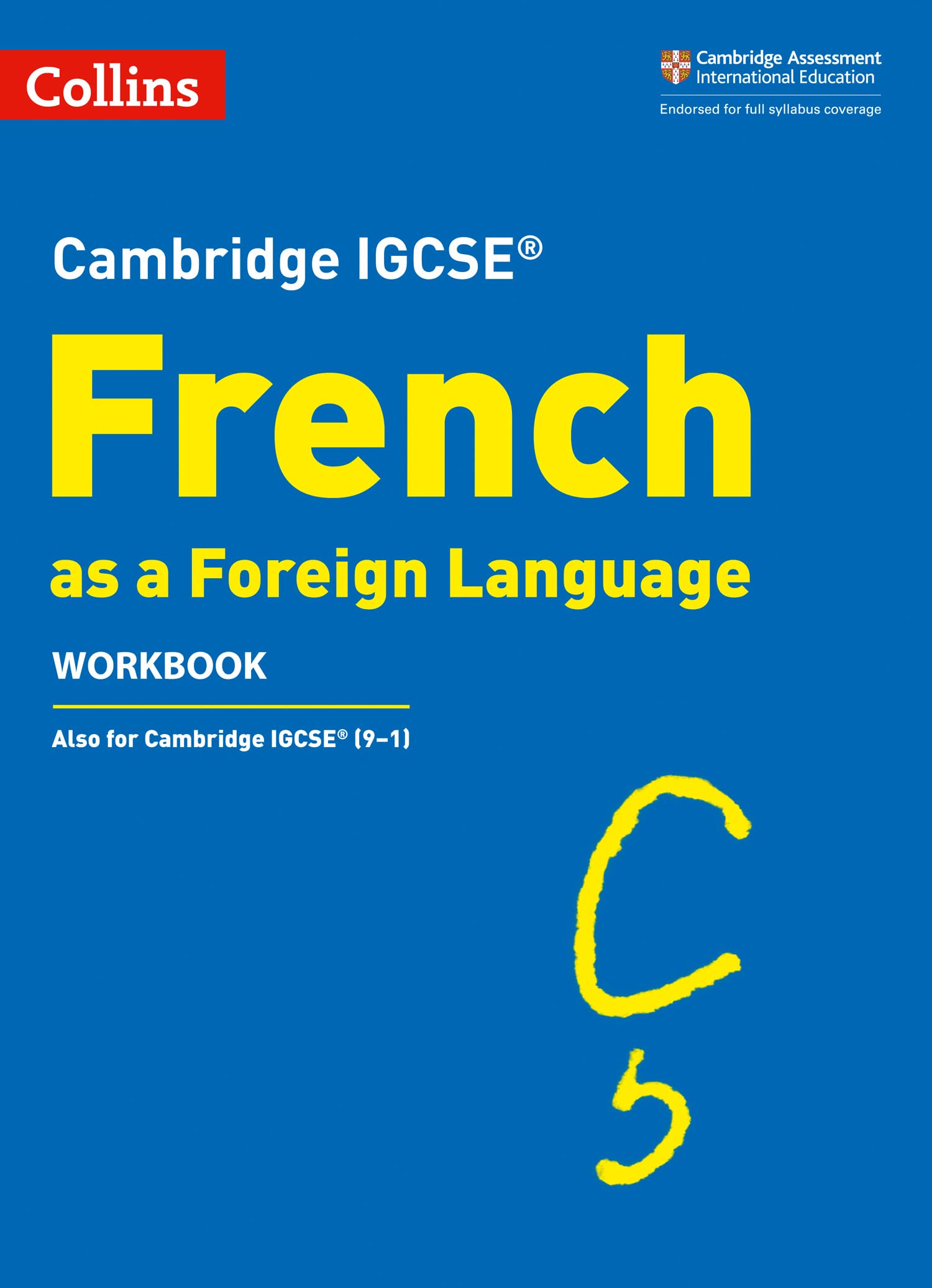
Oliver Gray
Cambridge IGCSE™ French Workbook (Collins Cambridge IGCSE™)
€ 24,66

Sherwood, Robert
Cambridge Springs 1904
€ 44,17

Glover, Terrot Reaveley
Cambridge Retrospect (Cambridge Library Collection - Cambridge)
€ 43,59
Cambridge, Cambridge
Patriot's day Celebration at Cambridge, Mass., April 19th, 1921. Also an Address on the True American Flag the Cambridge Flag
€ 26,71
Cambridge, Cambridge
The Register Book of the Lands and Houses in the "New Towne" and the Town of Cambridge With the Records of the Proprietors of the Common Lands: Being ... Generally Called "The Proprietors' Records"
€ 61,69
Cambridge, Cambridge
Exercises in Celebrating the two Hundred and Fiftieth Anniversary of the Settlement of Cambridge, Held December 28, 1880
€ 33,70
Cambridge, Cambridge
Exercises in Celebrating the two Hundred and Fiftieth Anniversary of the Settlement of Cambridge, Held December 28, 1880
€ 51,89
Cambridge, Cambridge
Patriot's day Celebration at Cambridge, Mass., April 19th, 1921. Also an Address on the True American Flag the Cambridge Flag
€ 44,90
Cambridge, Cambridge
The Records of the Town of Cambridge (formerly Newtowne) Massachusetts. 1630-1703
€ 61,93
Cambridge, Cambridge
Exercises in Celebrating the two Hundred and Fiftieth Anniversary of the Settlement of Cambridge, Held December 28, 1880
€ 51,97