Populaire zoekopdrachten
Snel naar
Trending now
Beschrijving
This work argues that the artistic quality of realist texts is better appreciated by approaching them from a cognitive perspective, rather than from a linguistic or formalist one. The aim of writers, like that of cognitive scientists, is to track the arc of learning from experiences.
Literary realists have often been dismissed by later writers of the modernist and post-structuralist schools for their lack of aesthetic sophistication and etymological naivete. In Pragmatist Realism, Sami Ludwig argues that the artistic quality of realist texts is better appreciated by approaching them from a cognitive perspective, rather than from a linguistic or formalist one. Ludwig notes that literary realism arose from the same cultural scene as the pragmatist philosophy of William James and Charles Sanders Peirce, and that cognitive psychology built upon pragmatist philosophy. He argues that the aim of realist writers, like that of cognitive scientists, is to track the arc of learning from experiences. Ludwig contends that this cognitive perspective is a useful corrective to other approaches to literary criticism that focus on textual hermaneutics. He argues further that the cognitive paradigm can enhance our understanding of literary representation, not only in realist works by Mark Twain, William Dean Howells, Henry James, Charles Chesnutt, and others, but in literature generally.
Populaire zoekopdrachten
Snel naar
Trending now
Aanbevolen

Kentaro Miura
€ 44,10

Sarah J. Maas
€ 72,00

J. R. R. Tolkien
€ 52,20

Robert Kirkman || Cory Walker || Ryan Ottley
€ 56,70

J R R Tolkien
€ 160,20

Takehiko Inoue
€ 23,40

Takehiko Inoue
€ 23,40

Leigh Bardugo
€ 36,00

Stephanie Garber
€ 18,00

Joe Abercrombie
€ 53,10
Serie & gerelateerd
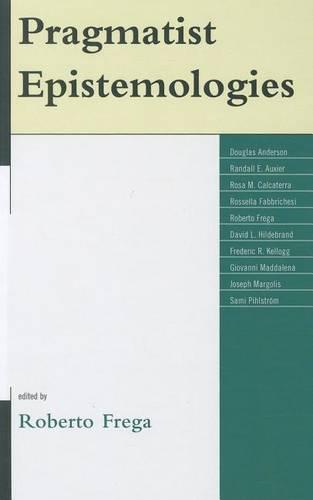
Roberto Frega || Douglas Anderson || Douglas Anderson || Giovanni Maddalena || David L. Hildebrand
Pragmatist Epistemologies
€ 113,23

David Rondel (Assistant Professor, Department of Philosophy, Assistant Professor, Department of Philosophy, University of Nevada, Reno)
Pragmatist Egalitarianism
€ 145,52

John McGowan
Pragmatist Politics: Making the Case for Liberal Democracy
€ 84,39

Sami Ludwig
Pragmatist Realism: The Cognitive Paradigm in American Realist Texts
€ 32,27
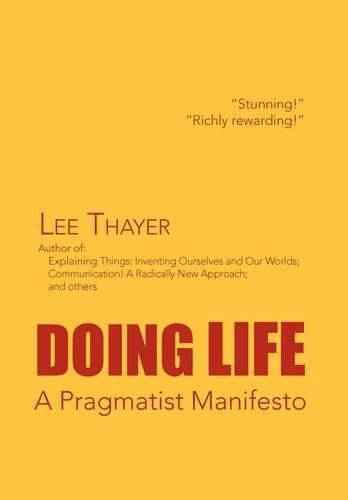
Lee Thayer
Doing Life A Pragmatist Manifesto: A Pragmatist Manifesto
€ 42,09
Lee Thayer
Doing Life a Pragmatist Manifesto: A Pragmatist Manifesto
€ 28,57

H. K. Andersen (Department of Philosophy, Department of Philosophy, Simon Fraser University) || Sandra D. Mitchell (Department of History and Philosophy of Science, Department of History and Philosophy of Science, University of Pittsburgh)
The Pragmatist Challenge: Pragmatist Metaphysics for Philosophy of Science
€ 115,30
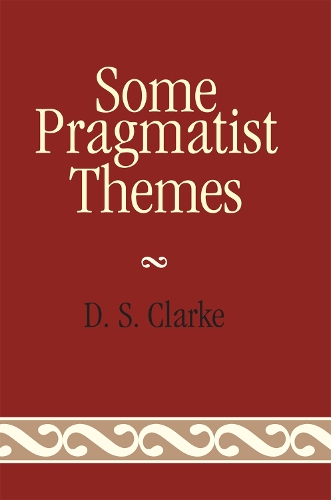
D. S. Clarke
Some Pragmatist Themes
€ 135,20

Tk Michael
The Pragmatist Manifesto
€ 20,31
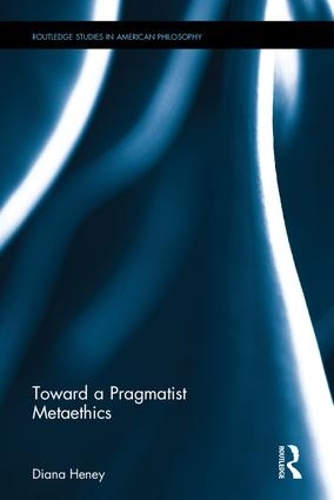
Diana Heney (Fordham University, USA)
Toward a Pragmatist Metaethics
€ 254,59